
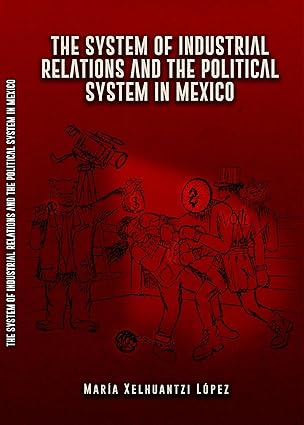
The System of Industrial Relations and the Political System in Mexico
María Xelhuantzi López
The purpose of this essay is to explain how the system of industrial relations in Mexico was established and how it has functioned to date, based on the analytical resources of John Dunlop’s theory of systems of industrial relations, as well as the tools of systemic policy analysis developed by authors such as David Easton and Gabriel Almond. This essay argues that the system of industrial relations in Mexico is part of the political system, which largely explains the failures of the “democratizing” labor reforms proposed in 2000 and, more recently, in 2017 and 2019, which were based on legal changes to the Federal Labor Law. Although there are aspects of labor legislation that have a significant institutional impact on the system of industrial relations, the most important interrelationships that determine its functioning are not found in the law, but rather in the political arrangements that have historically been established between the government, business elites, and union leaders in Mexico.
In a brief and accurate manner, the book explores more than a hundred years of the formation and functioning of the system of industrial relations and helps to understand the decisive role of politics in the world of work in Mexico. With specific and compelling examples, the author explores moments and events that have marked the development of the system of industrial relations, establishing similarities and constants over time.
In light of the renegotiation of the United States-Mexico-Canada Agreement (USMCA), this text is essential reading for academics, decision-makers, and workers in the North American region.
Contacto
© 2021 Todos los derechos reservados
 xelhuantzinescritoras